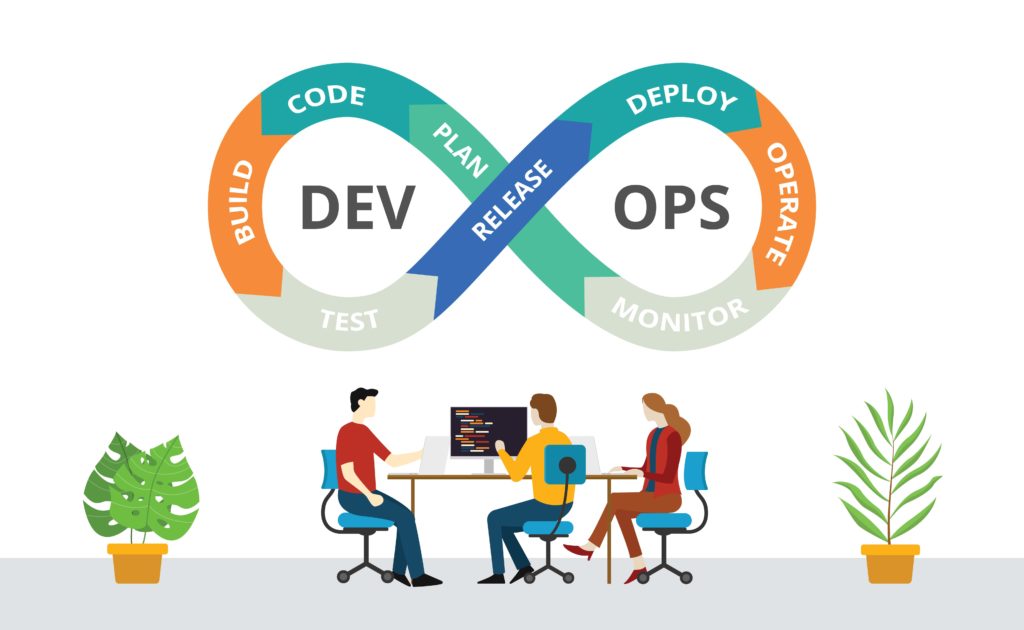
What is DevOps? A Complete Guide for Beginners
In the fast-paced world of technology, DevOps has emerged as a game-changing methodology that blends software development and IT operations. DevOps aims to break down the traditional silos between development and operations teams, creating a culture of collaboration and efficiency. But what exactly is DevOps, and how can beginners understand its core principles and practices? This comprehensive guide will answer these questions and more, offering you a deep dive into DevOps, its benefits, tools, and best practices.
What is DevOps?
DevOps is a revolutionary culture and practice that brings together software development (Dev) and IT operations (Ops) teams. DevOps facilitates faster, more reliable code release to production through cooperation and the use of automated technologies.
At its core, DevOps seeks to integrate development (Dev) and operations (Ops) teams, encouraging them to work together seamlessly. This approach enables companies to respond more quickly to market changes and user demands, ultimately fostering a more agile and efficient development environment.
Key Principles of DevOps
To truly understand DevOps, it’s essential to grasp its foundational principles. These principles serve as the guiding framework for organizations aiming to implement DevOps successfully:
1. Collaboration
DevOps makes constant collaboration and communication between operation and development teams. In traditional setups, these teams work in isolation, often leading to misunderstandings and inefficiencies. By fostering collaboration, DevOps eliminates these barriers, ensuring all team members have a shared understanding of project goals.
2. Automation
Automation is one of the key components of DevOps. Tasks like code testing, deployment, and infrastructure provisioning, which were once time-consuming and error-prone when done manually, can now be automated. Automation increases efficiency, reduces human error, and speeds up the delivery process.
3. Continuous Integration and Continuous Delivery (CI/CD)
Continuous Integration (CI) and Continuous Delivery (CD) are two essential practices in the DevOps methodology. CI involves the practice of frequently merging code changes into a shared repository, followed by automated testing to detect issues early. CD, on the other hand, automates the release process, ensuring that code changes are deployed quickly and safely to production.
4. Monitoring and Feedback
It improves the significance of managing and collecting responses from the production environment. By continuously monitoring applications, teams can identify potential issues, optimize performance, and quickly fix problems. This feedback loop enhances product quality and ensures a smooth user experience.
5. Security (DevSecOps)
DevOps also integrates security into its practices through the concept of DevSecOps, which emphasizes the inclusion of security measures throughout the development lifecycle. This proactive approach helps to detect vulnerabilities early in the development process, preventing security risks before they impact users.
DevOps vs. Traditional Software Development
The traditional software development approach, often referred to as the “Waterfall” model, operates in distinct phases—planning, development, testing, deployment, and maintenance. Each phase is carried out by different teams, and there is little collaboration between them. This often leads to bottlenecks, delays, and miscommunications.
DevOps, on the other hand, promotes a continuous feedback loop that allows teams to work together and deliver incremental improvements in shorter cycles. By enabling faster releases, devops course online helps businesses stay competitive in today’s dynamic market environment.
Benefits of DevOps
Adopting DevOps offers numerous advantages to organizations, including:
Faster Time to Market
By automating tasks, streamlining workflows, and facilitating better collaboration, DevOps accelerates the development and deployment process. This leads to quicker releases and faster responses to user feedback, giving companies a competitive edge.
Improved Quality
DevOps emphasizes continuous testing and monitoring, ensuring that code quality is maintained throughout the development lifecycle. By catching bugs early, teams can deliver more stable and reliable software.
Enhanced Collaboration
Collaboration between the operations and development teams reduces misunderstanding and improves procedures. This cooperation promotes an environment of shared accountability, in which everybody participates in the product’s success.
Better Resource Utilization
Through automation and optimized workflows, DevOps helps organizations make the most of their resources, reducing waste and ensuring that personnel are focused on high-priority tasks.
Increased Customer Satisfaction
With faster releases and continuous feedback loops, DevOps helps businesses meet customer demands more effectively, leading to improved customer satisfaction and loyalty.
Common Tools Used in DevOps
Several tools are commonly used to facilitate the DevOps processes, helping teams automate tasks and integrate various aspects of the development lifecycle. Some of the most popular tools include:
- Jenkins: A widely used tool for automating tasks related to continuous integration and continuous delivery.
- Docker: A platform that allows developers to package applications and dependencies into containers, making them easy to deploy across different environments.
- Kubernetes: A container orchestration tool that helps manage and automate the deployment, scaling, and management of containerized applications.
- Ansible: An open-source automation tool for managing configurations, deploying applications, and automating tasks.
- Git: A version control system that enables teams to track changes in code and collaborate efficiently.
Getting Started with DevOps
Beginners wishing to embark on a DevOps journey might take various steps to develop a solid foundation –
- Learn the Core Concepts: Understand the principles of collaboration, automation, continuous integration, and monitoring that define DevOps practices.
- Familiarize Yourself with DevOps Tools: Learn the tools commonly used in DevOps, such as Jenkins, Docker, Kubernetes, and Git. Mastering these tools will help you implement DevOps practices effectively.
- Learn Scripting and Automation: Knowledge of scripting languages like Python or Bash is crucial for automating tasks and creating efficient workflows.
- Focus on Cloud Platforms: Many DevOps practices involve cloud computing. Became aware of cloud platforms like Google Cloud, AWS and Azure.
- Join DevOps Communities: Engage with online communities, read blogs, and attend webinars to stay updated on the latest DevOps trends and practices.
Final Words
DevOps is more than just a set of tools or practices; it’s a cultural shift that aims to improve collaboration, efficiency, and agility in software development. By breaking down silos between development and operations teams, DevOps facilitates faster releases, better product quality, and improved customer satisfaction. For beginners, getting acquainted with the core principles of DevOps and mastering its key tools will lay a strong foundation for a successful career in this exciting field. With continuous learning and hands-on experience, you can harness the full potential of DevOps and contribute to the success of your organization.
 ittechnologyhina
Leave a comment